Shaping the Future of Subsea Telecoms
Grant-funded research, addressing critical challenges in global digital infrastructure

Projects
The SubOptic Foundation conducts applied research to explore key issues in global subsea telecom infrastructure and advance industry knowledge and drive meaningful change.
Current focus areas include:
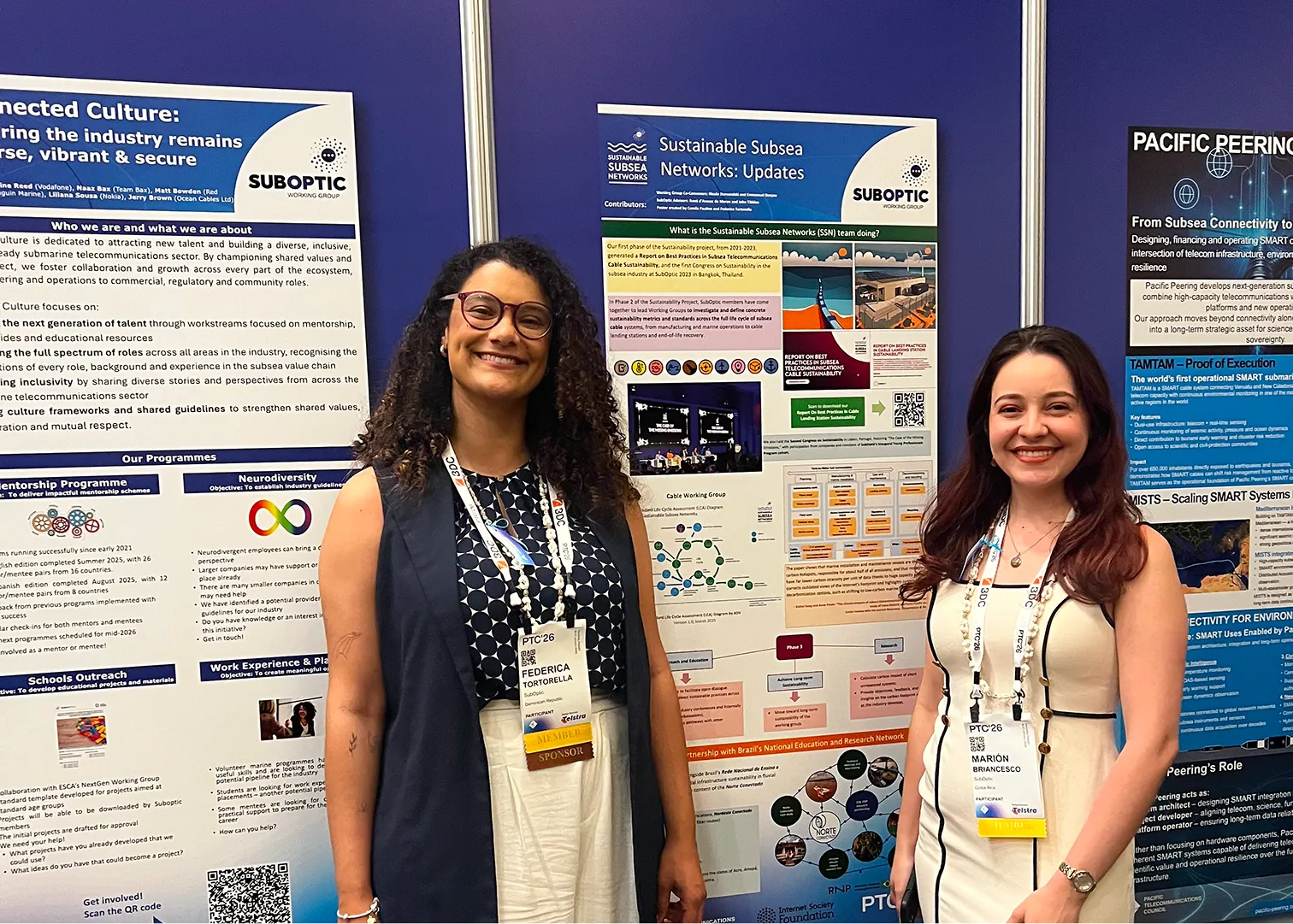
Sustainable Subsea Networks
Sustainable Subsea Networks (SSN), established in 2019, brings together researchers and members of the industry to investigate and enhance the sustainability of the global subsea telecommunications network.
Strategic Resilience
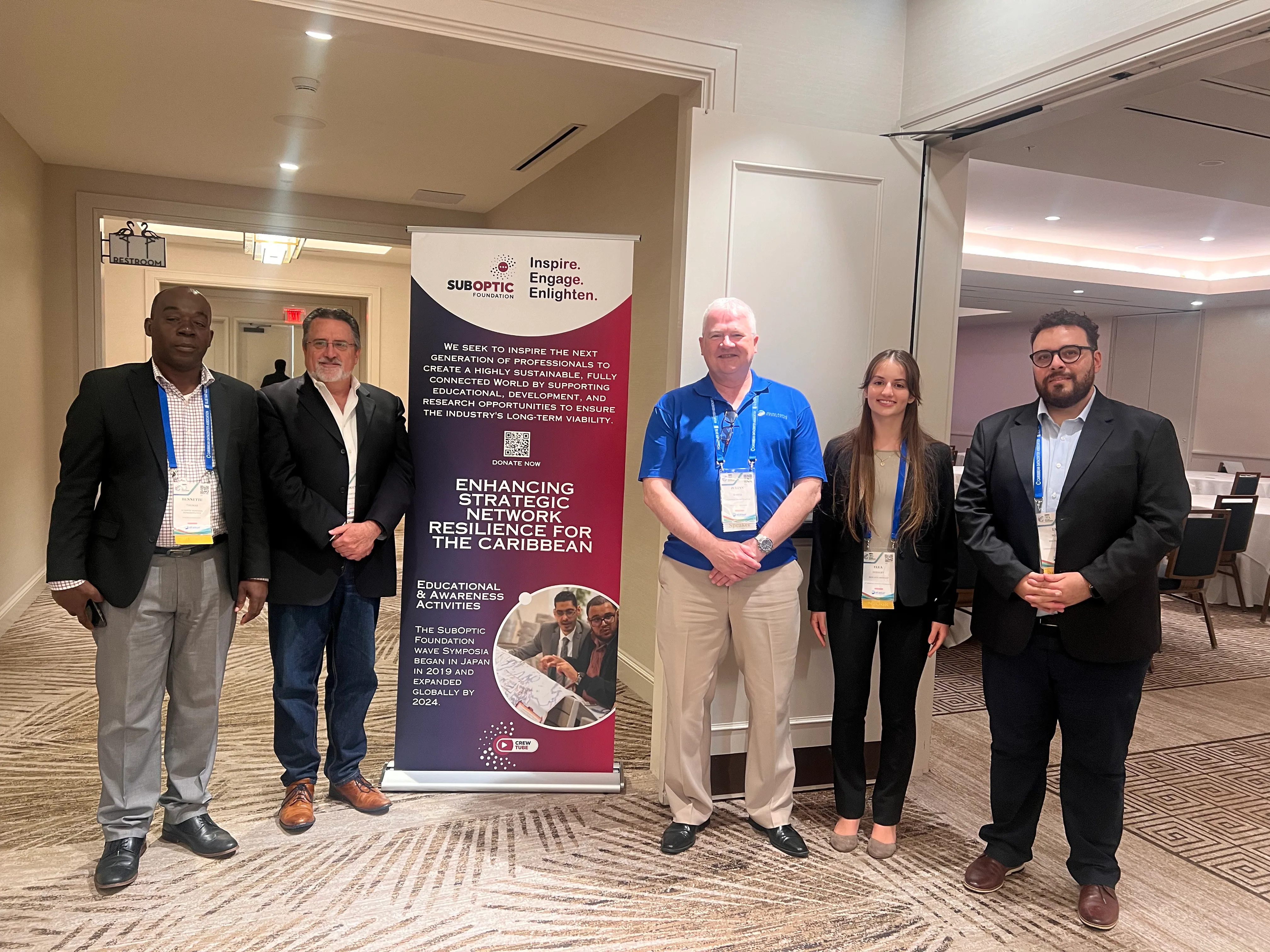
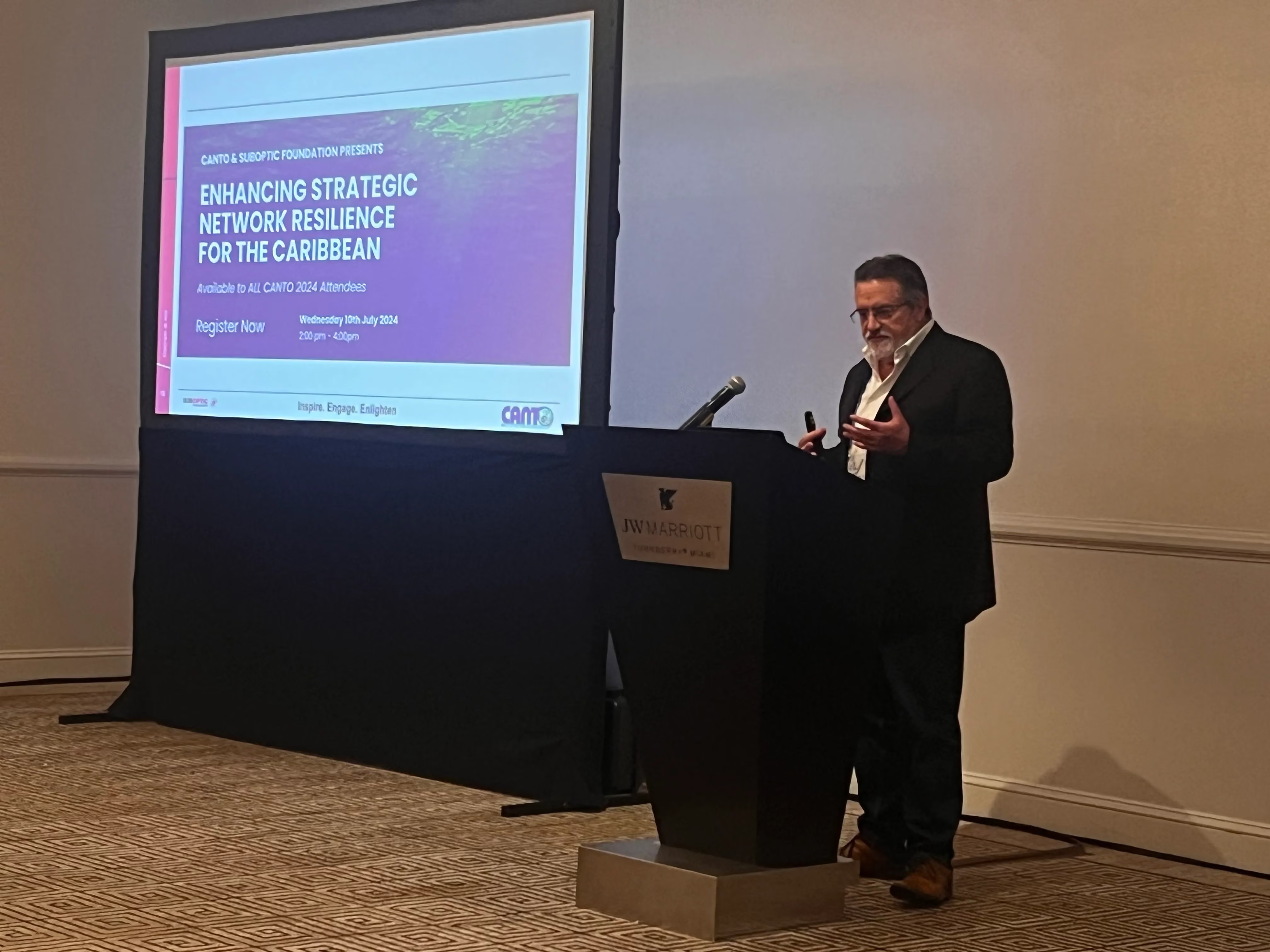
Mobilizing critical research and education to enhance network security and reliability, with a focus on the Caribbean.
Sustainable Subsea Networks
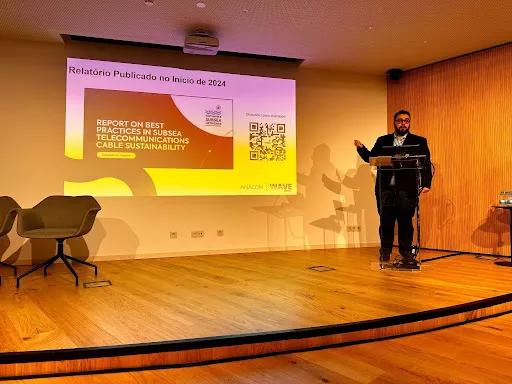
Our first phase of the project, from 2021-2023, generated a Report on Best Practices in Subsea Telecommunications Cable Sustainability, and the first Congress on Sustainability in the subsea industry at SubOptic 2023.
In the second phase of the project, from 2023-2025, we released a carbon footprint calculator, a marine emissions worksheet and a report on metrics for Cable Landing Stations.
The third phase, from 2026-2028, focuses on expanding the carbon footprint model and establishing long-term support for industry sustainability.
Since 2021, SSN has published over thirty articles in the Submarine Telecoms Forum column dedicated to the group's work.


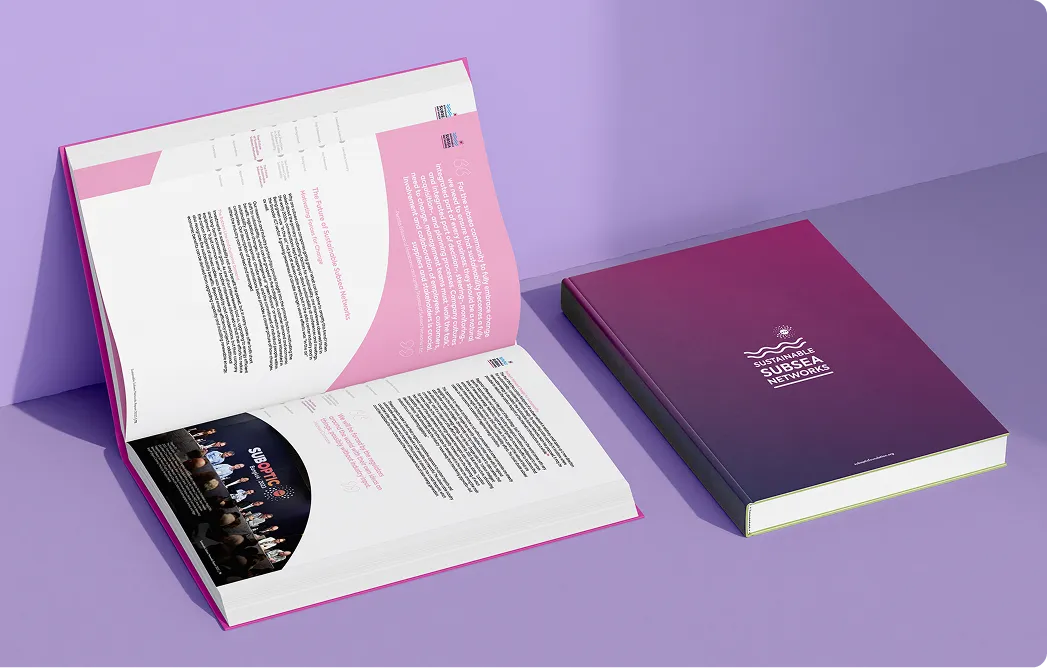
Sustainable Subsea Networks Report
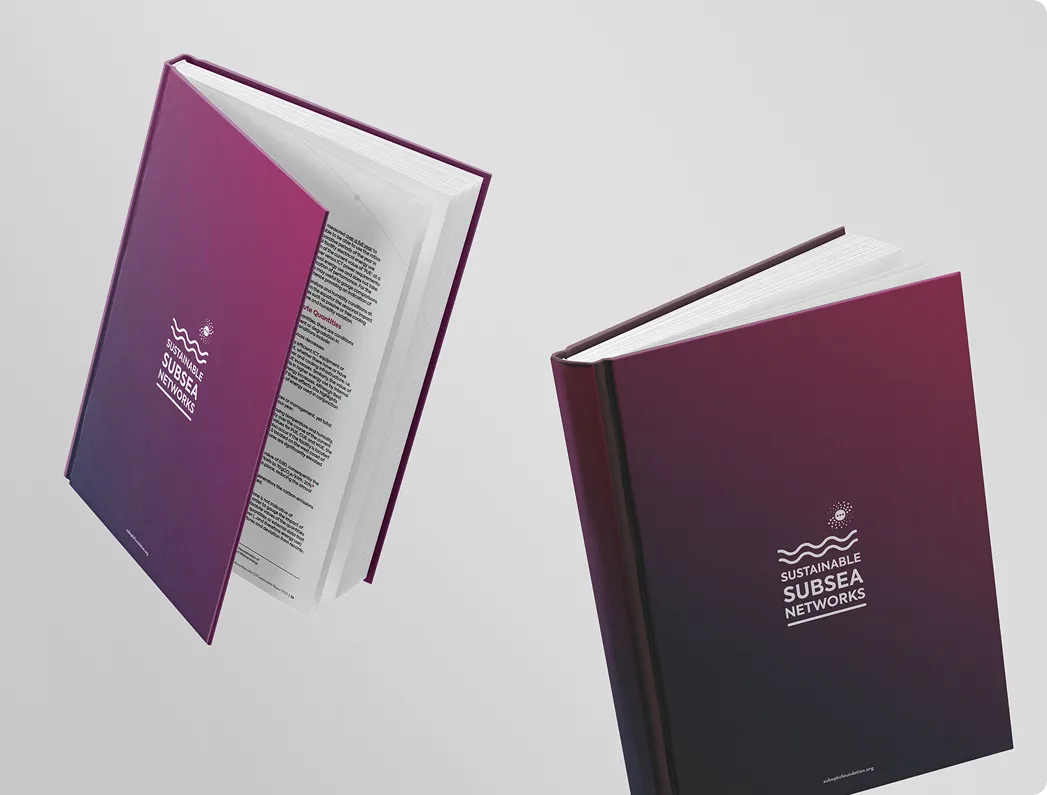
Sustainable Subsea Networks, a research initiative of the SubOptic Foundation, is an academic-industry collaboration to enhance the sustainability of subsea telecommunications cables. This report is the culmination of two years of research conducted between 2021 and 2023 on the subsea cable industry’s best practices in sustainability.
Sustainable Subsea Networks Map
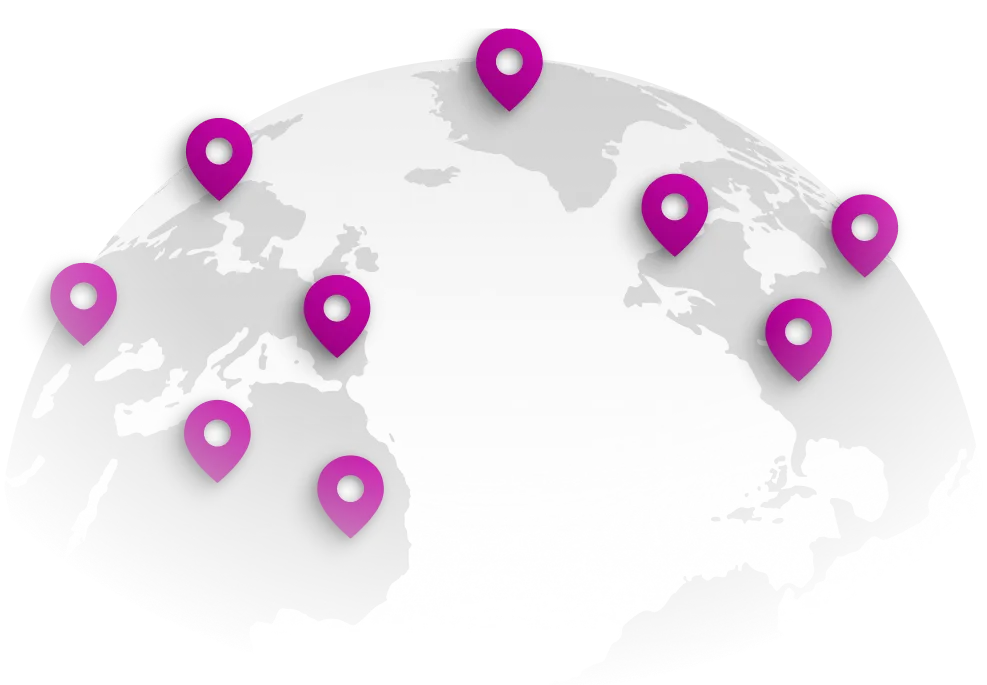
In collaboration with TeleGeography, we developed a Sustainable Subsea Networks Map. This map represents the best practices of twenty companies involved in the construction, operation, maintenance, or recovery of subsea cables. It offers a snapshot of the diverse contributions of this global industry.
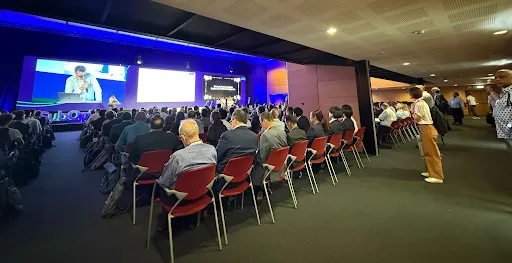
Congress on Sustainability
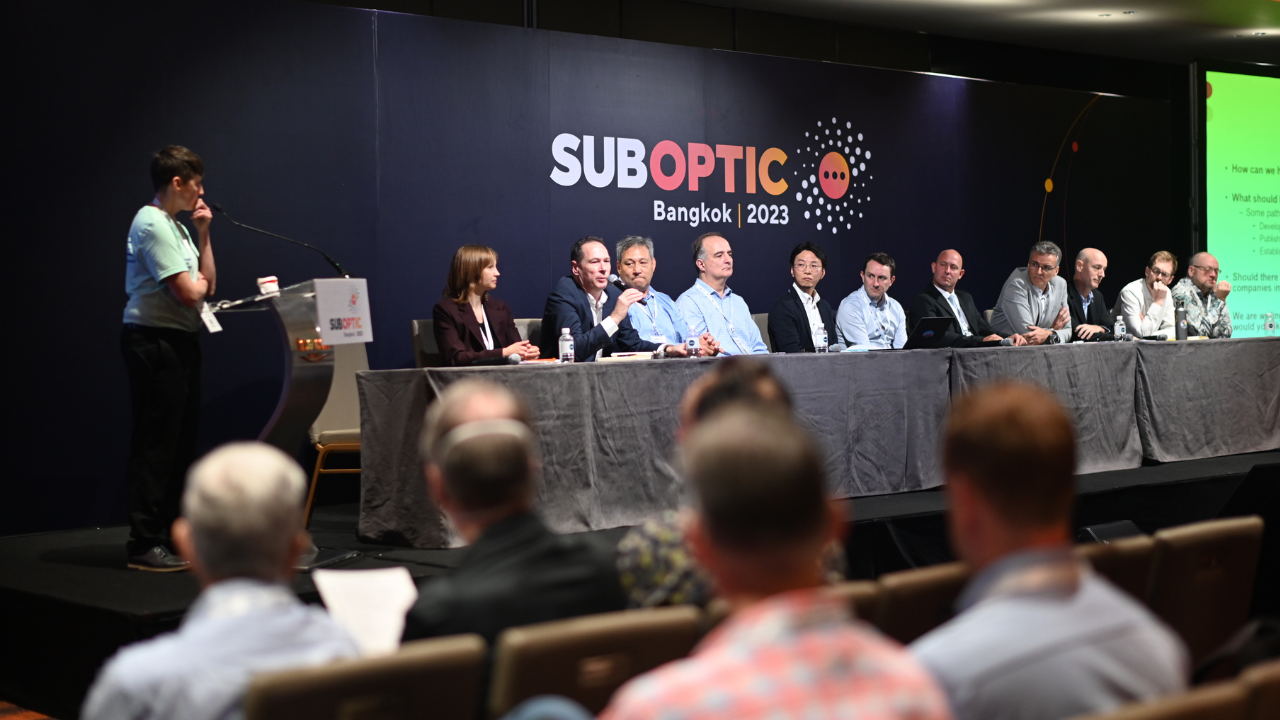
The SubOptic Foundation Congress on Sustainability, an event that made subsea history as the first intentional gathering of members from across sectors and around the world to discuss metrics for sustainability in the subsea cable industry. It gathered industry leaders to share insights from ongoing initiatives and potential strategies for the cable networks of the future.
Sustainable Subsea Networks
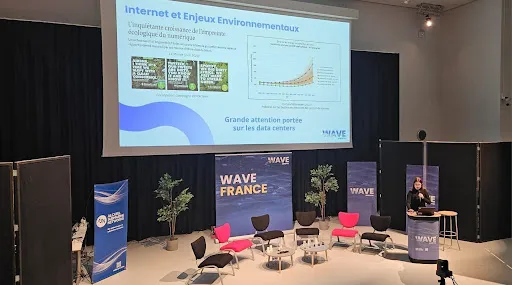
In Phase 2 of the Sustainable Subsea Networks' work, academic researchers and SubOptic members came together in Working Groups to develop sustainability metrics for subsea cable systems. These groups tackled the entire lifecycle of cable with the overarching goal to create more sustainable subsea networks.
Report on Best Practices in Cable Landing Station Sustainability
Best Practices in Cable Landing Station Sustainability report is the result of the first collaborative survey of cable landing station sustainability in the subsea industry. It was developed by the SSN Cable Landing Station (CLS) Working Group, led by Vedrana Stojanac of Ciena, and presented broadly at industry events. The CLS Sustainability ReportIt provides guidance on the array of metrics, frameworks, standards, and best practices that can be used to enhance the sustainability of the subsea cable landing station.
Marine Vessel Emissions Worksheet
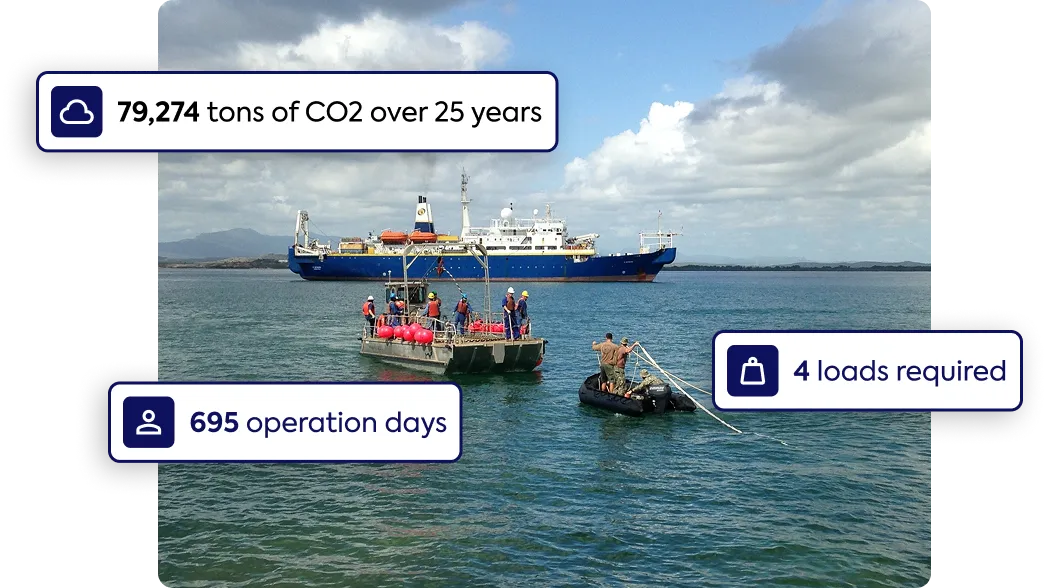
The Sustainable Subsea Networks Marine Working Group, led by René d'Avezac de Moran of OMS, developed a worksheet fo marine vessel emissions scenarios for transatlantic and transpacfic subsea cable.
Carbon Emissions Calculator and Life Cycle Assessment
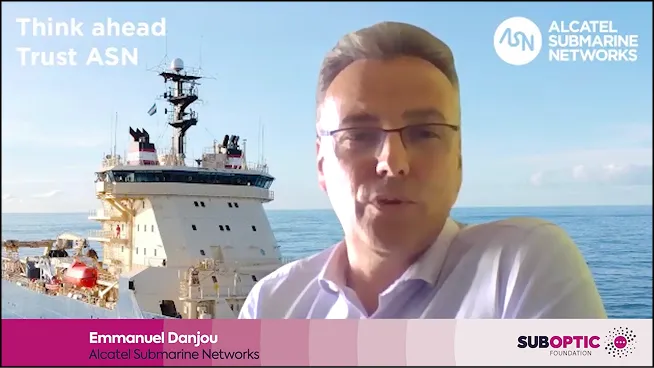
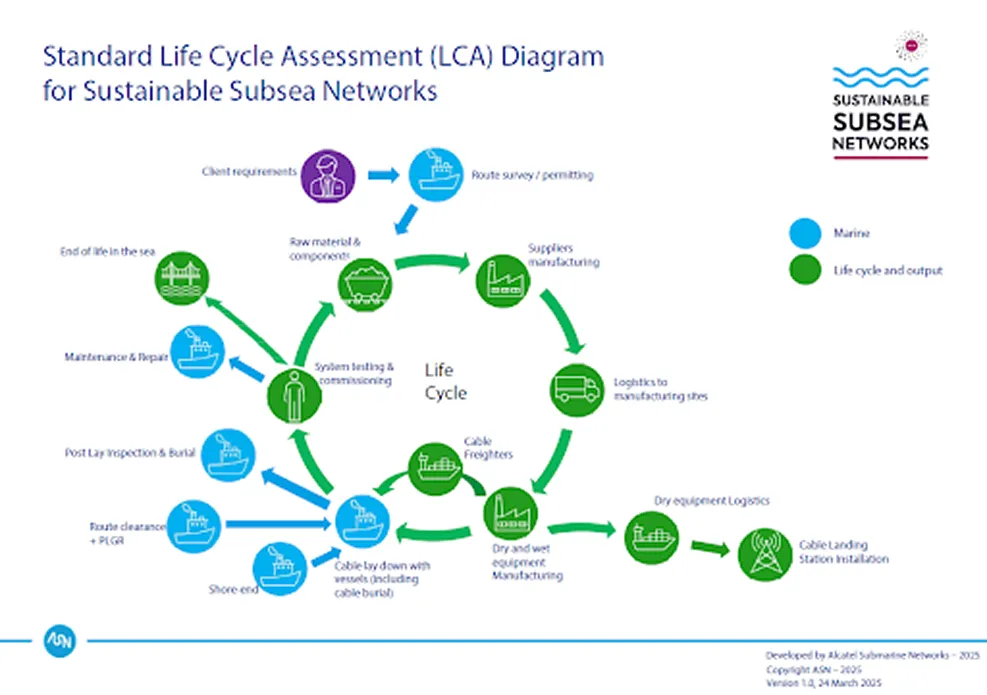
Led by Emmanuel Danjou of ASN alongside academic researchers Nicole Starosielski, Anne Pasek and Kaihui Song, the SSN Cable Working Group developed the first peer-reviewed carbon footprint for a transatlantic and transpacific subsea cable. Suppliers from across the industry have worked collaboratively with academic researchers to develop shared models. The group also developed the first standard Life Cycle Assessment Diagram of the Industry.
Recovery & Recycling Working Group
Led by Simon Appleby of Subsea Environmental Services, Alwyn du Plessis of Mertech Marine, and Bobby Melville of OEC, the Recovery and Recycling working group developed a white paper on the operating environment for companies working in cable recovery and recycling, including its challenges and benefits. This includes the calculation of the emissions savings for recovery and recycling in a peer-reviewed study.
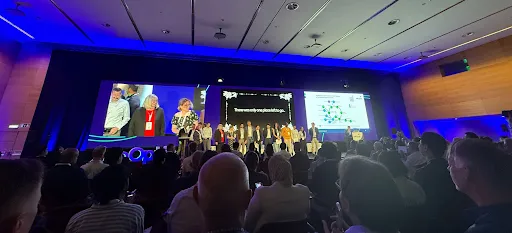
Second SubOptic Congress on Sustainability
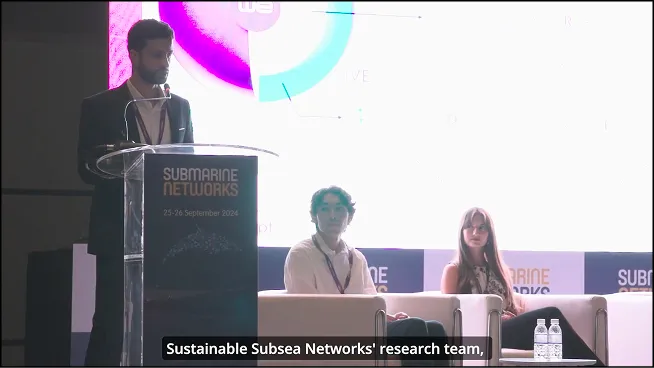
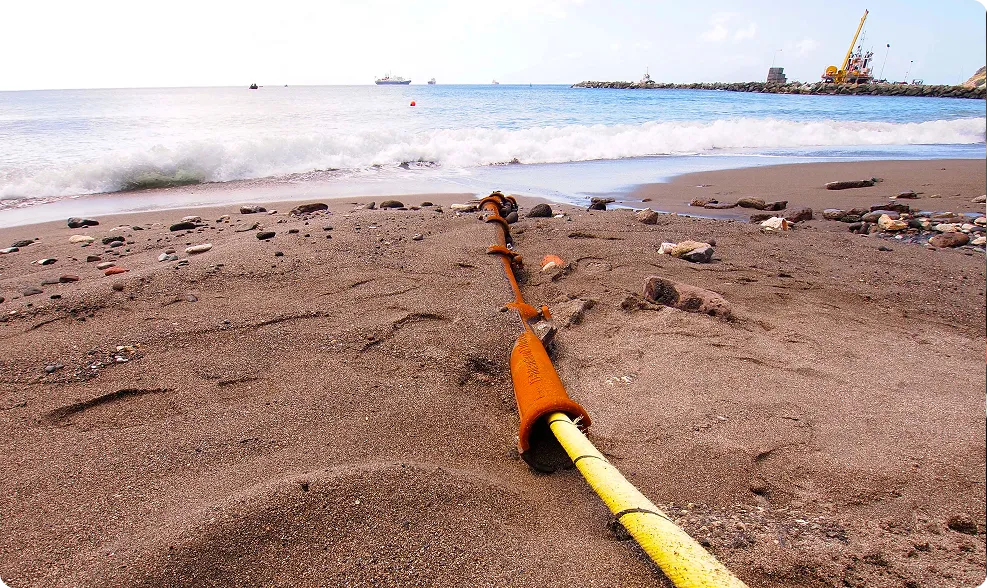
The Second SubOptic Foundation Congress on Sustainability was held in Lisbon in 2025. It took the form of a play, “The Case of the Missing Emissions,” in which young students visited sites around the world and learned from subsea industry members about the hidden world of subsea cable sustainability.
Sustainable Subsea Networks
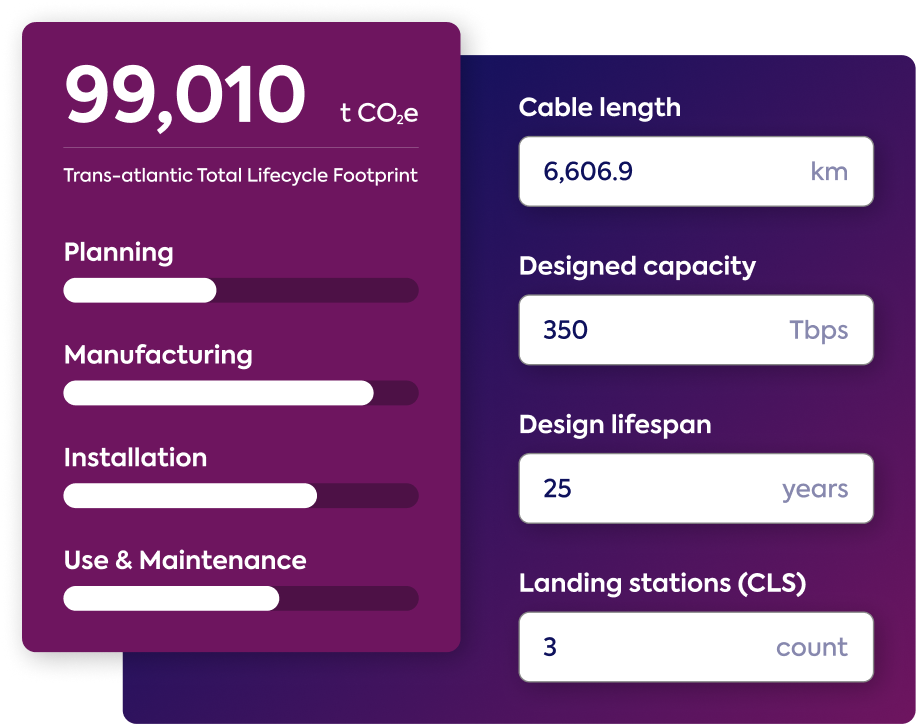
In Phase 3 of the Sustainable Subsea Networks (SSN) project, the team's Carbon Calculator Initiative aims to present simulated carbon-impact results for multiple subsea cable systems, benchmarked against an agreed-upon global carbon standard. By quantifying the lifecycle greenhouse gas emissions of transoceanic cable systems, the initiative highlights opportunities for decarbonization and supports more sustainable planning across the subsea telecommunications industry.
Greenhouse gas emissions of subsea telecommunications cables: A comparative study of trans-Atlantic and trans-Pacific systems
It is the first paper to evaluate the lifecycle GHG emissions of transoceanic cables and suggests an opportunity for decarbonization. In addition to quantifying the lifecycle carbon footprint of data transmission through subsea cables, we also found that the carbon footprint of transmitting the same amount of data is a thousand times lower than 2 decades ago, mainly due to advances in technology that increased capacity and improved standards in fuel consumption and grid decarbonization.
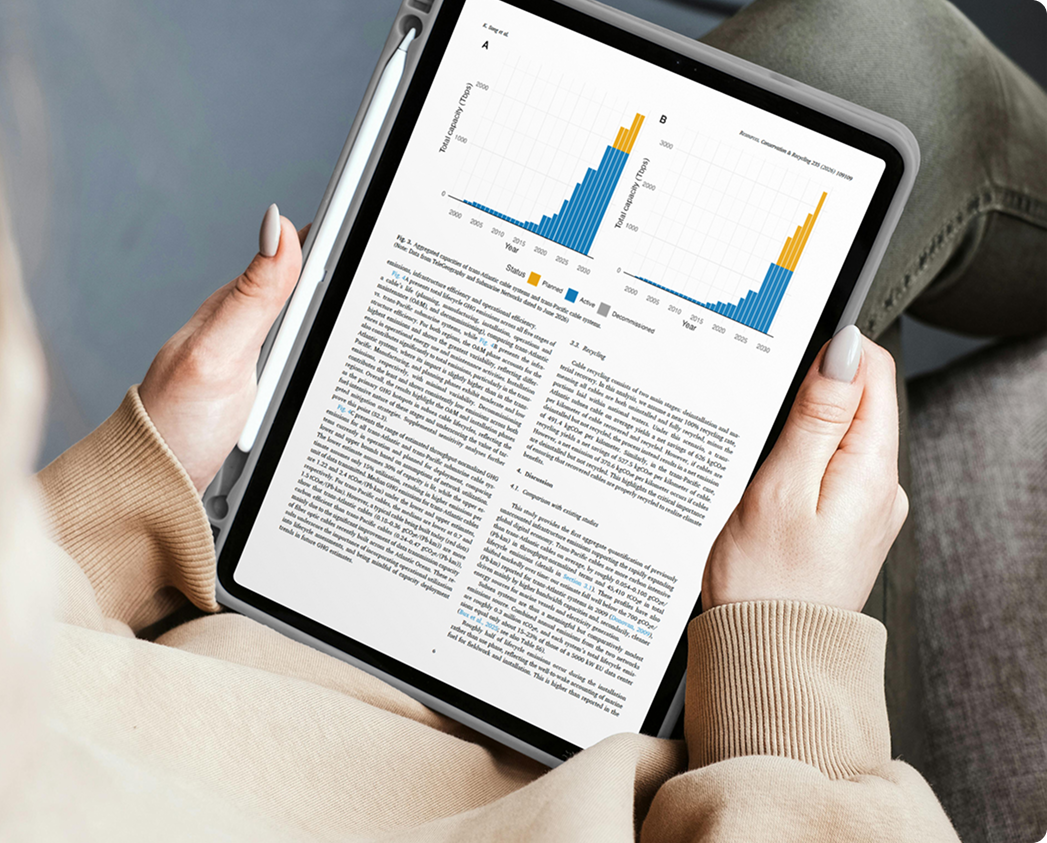
Subsea Cable Carbon Calculator
About this tool. It reproduces the calculation chains of The Subsea Cable Carbon Emissions Calculator (trans-Atlantic and trans-Pacific editions), a project of Sustainable Subsea Networks (v1.15, July 2026). The interface provided customized numbers for a given transoceanic cable, with default values for generic oceanic cables. The built-in figure and formula lives in the source spreadsheets, free to download and explore.
Meet the team
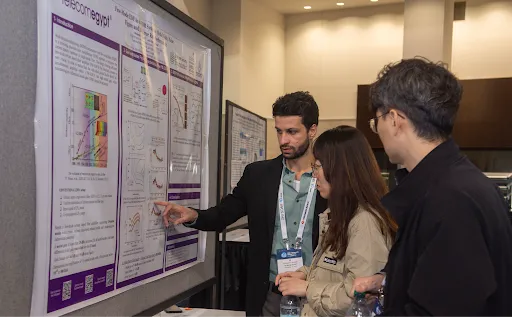
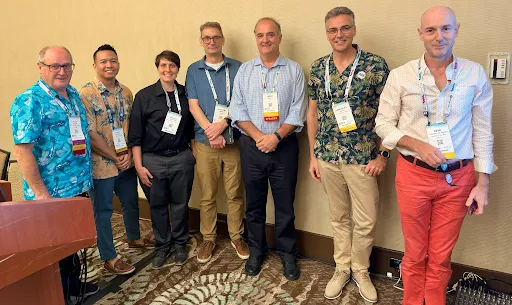
The Carbon Calculator Initiative brings together researchers, engineers, and industry leaders from across the subsea telecommunications sector.
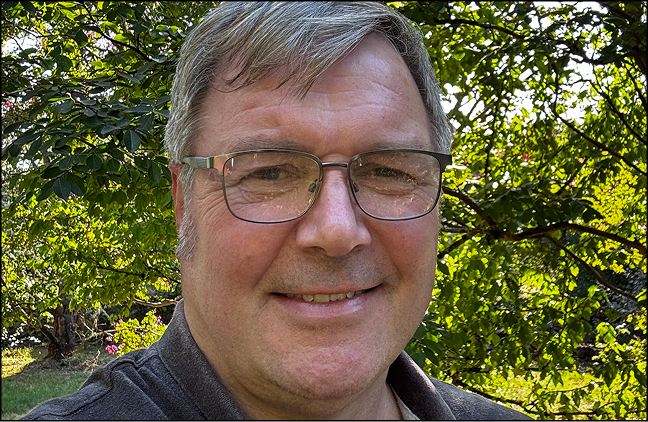
Simon Appleby
Director, Subsea Environmental Services B.V.
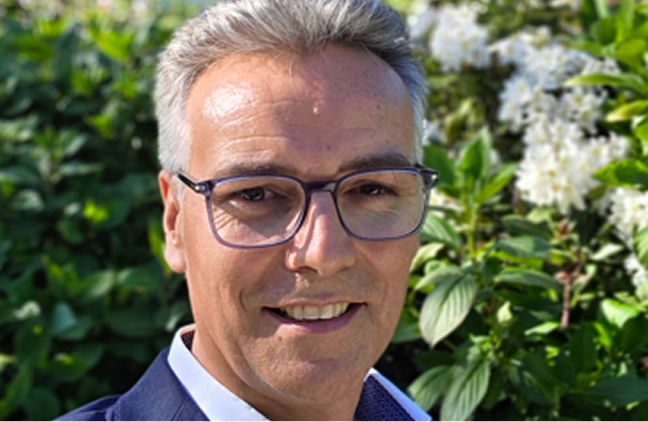
Emmanuel Danjou
Head of Business Development, Alcatel
Submarine Networks – ASN

Kaihui Song
Assistant Research Professor, University of
Minnesota at Twin Cities
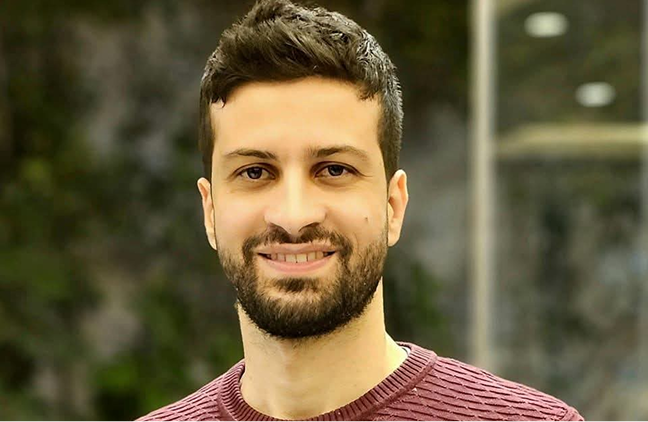
Hesham Youssef
Senior CLS Engineer, Telecom Egypt
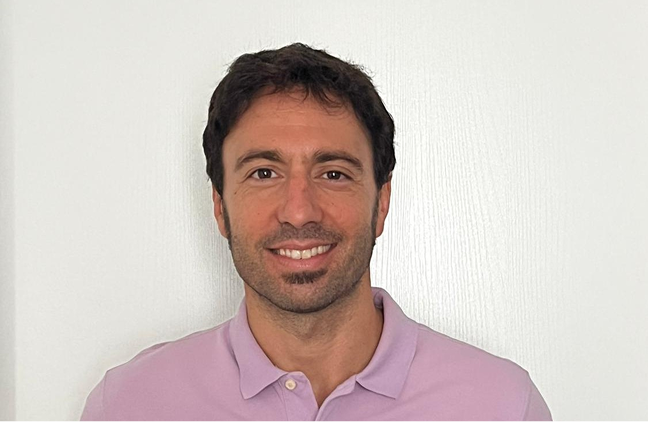
Ricardo Oña
Subsea Project Manager (Initiative Lead), Orange - OINIS
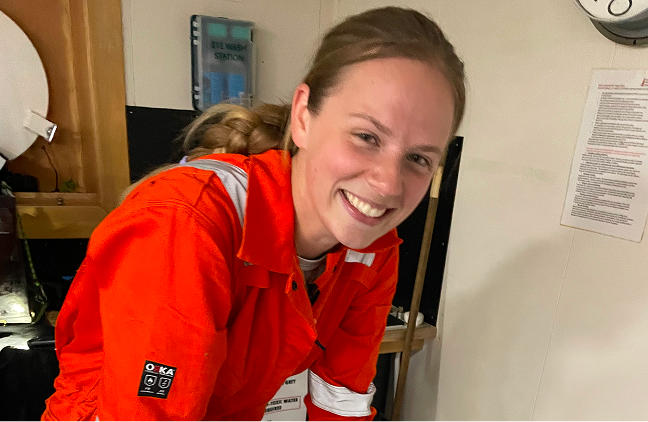
Lucy Harris
Researcher (Initiative Lead), National Oceanography Centre
What’s next
Looking ahead, the SSN Carbon Footprint Initiative is expanding its tool to incorporate manufacturing, marine repair operations, and cable landing station energy data. Through global industry collaboration, the team aims to establish an agreed-upon standard and present multi-system results at the 2028 SubOptic Conference.
Strategic Resilience in the Caribbean:
A Landmark Subsea Cable Study
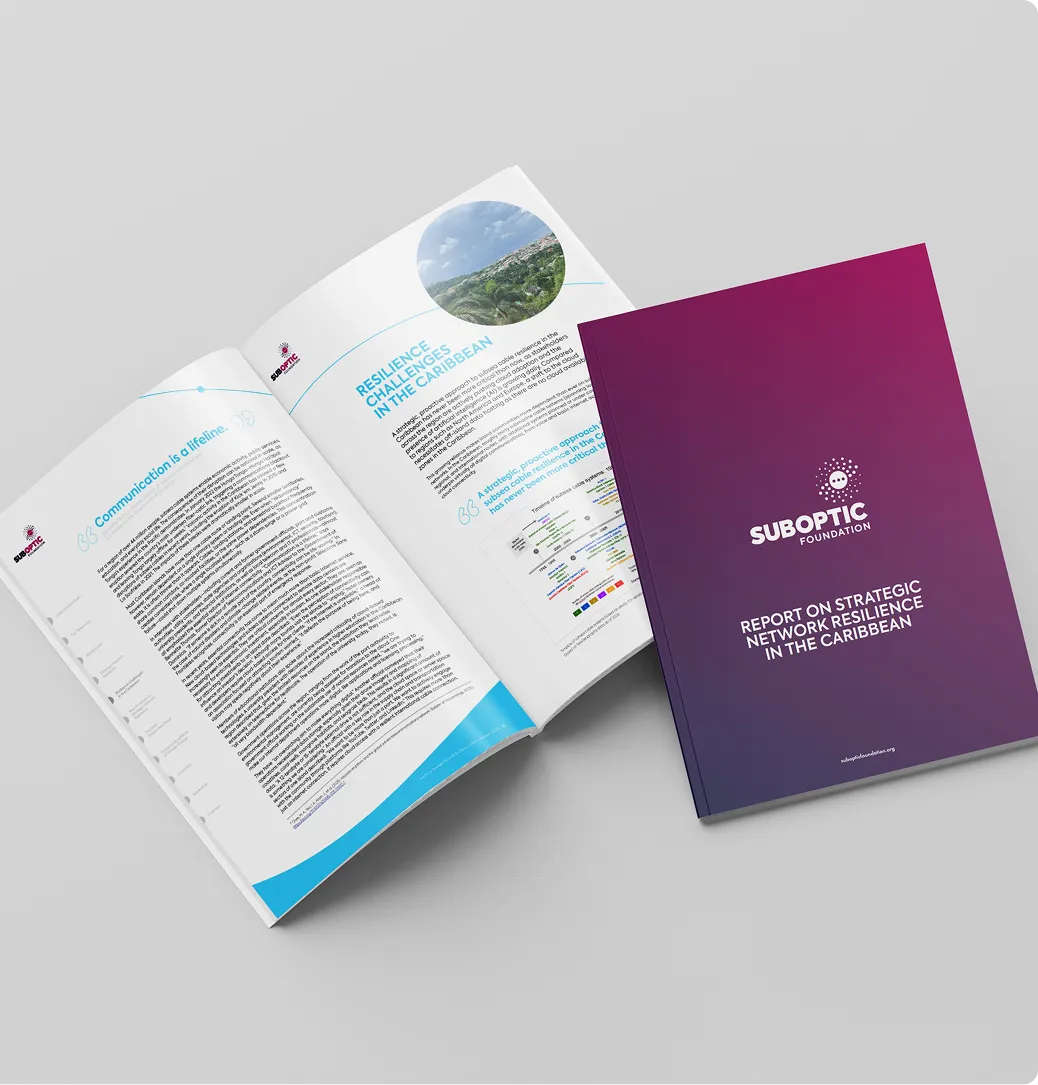
How resilient is the Caribbean’s digital backbone? With 99% of international data traveling through subsea fiber-optic cables, any vulnerability is a risk to regional stability. Our latest report, "Strategic Resilience in the Caribbean," provides a first-of-its-kind roadmap to securing this critical infrastructure.
.webp)
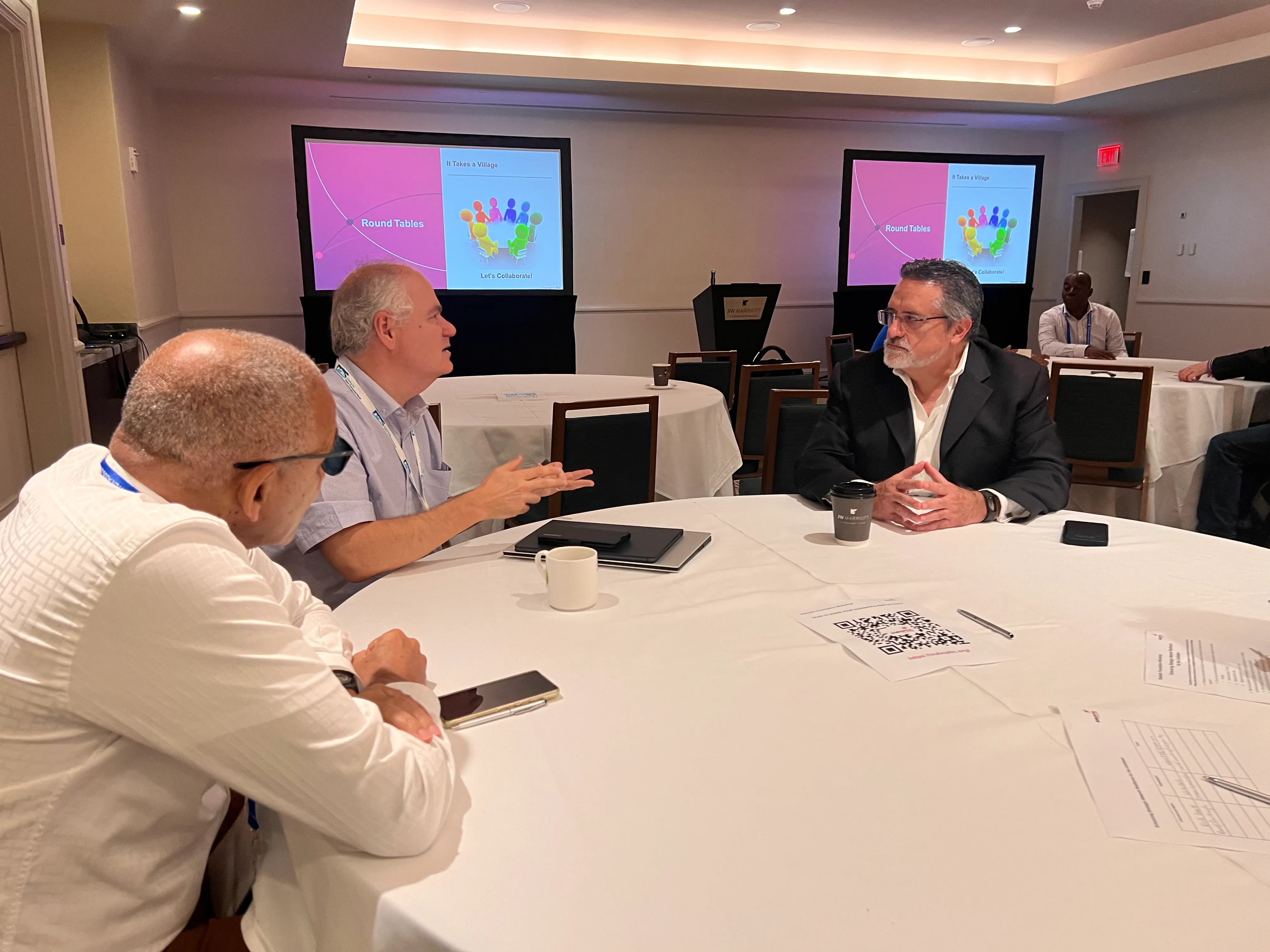
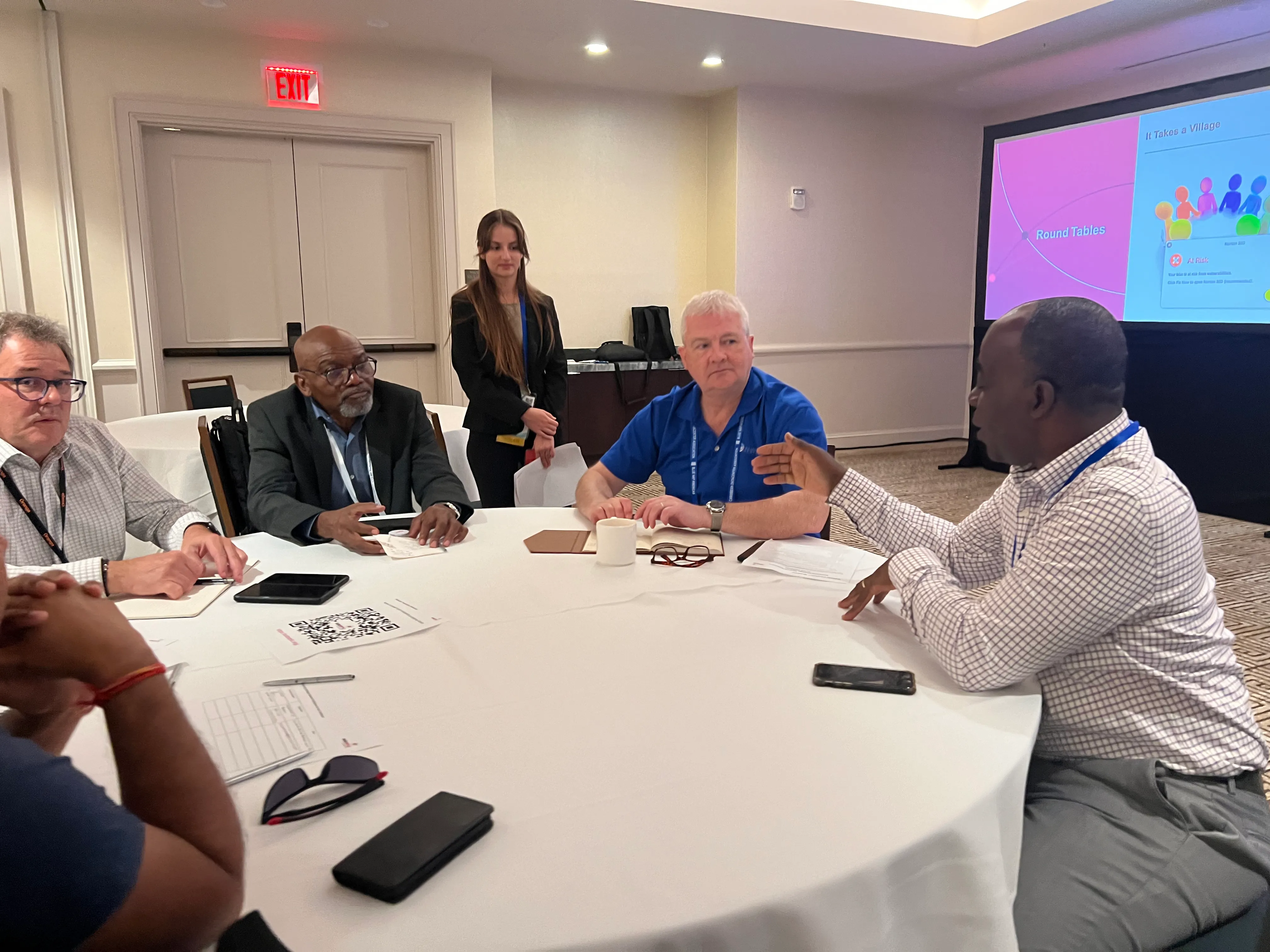
Developed by the SubOptic Foundation (US), this study marks the culmination of a year of intensive research into the region’s digital future. Funded by a grant from the Internet Society Foundation (ISOC Foundation), and assessed in a rigorous peer-review process, the report moves beyond technical fixes to offer a holistic "Strategic Network Resilience" framework. Featuring in-depth case studies on several Caribbean islands, it outlines how state cooperation and stakeholder collaboration can safeguard the region’s digital future.
.webp)
Support Our Mission
As we conclude this first phase, we are actively seeking partners to help us scale. We encourage our members to consider grant matching to help us secure Phase 3 funding and offer opportunities to emerging young leaders in the region.
Why Resilience? Why Now? Over the past decade, cloud-based technologies have spurred new economic opportunities, transformed business models, broadened consumer access to content, and reshaped government management of citizen data. Organisations, governments, and users are more dependent than ever before on digital infrastructure.
Report on Strategic Network Resilience in the Caribbean
The Voices Behind the Research
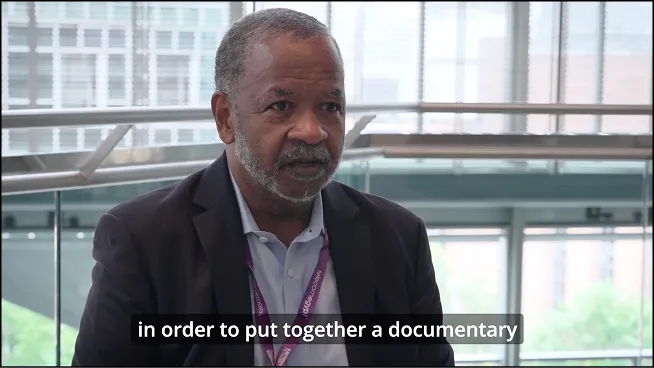
The SubOptic team collaborated with young people across the region who were selected as part of the Youth Advisory Board. These emerging leaders conducted research and outreach on network resilience.
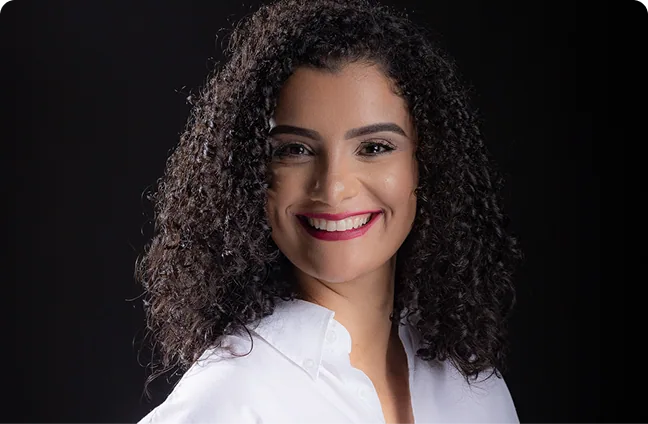
Federica Tortorella
Federica Tortorella is a lawyer and digital rights enthusiast based in the Dominican Republic. She holds a Master Degree in Risk...
Luis Torres
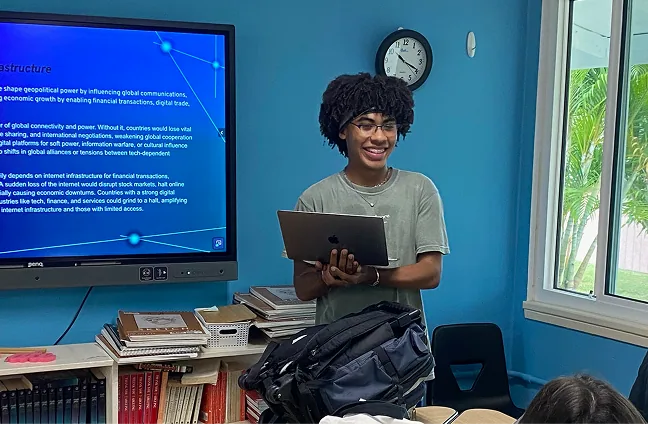
Luis Torres is a 17-year-old high school student from the U.S. Virgin Islands, born in St. Croix. Having lived in Florida, Puerto...
Aidé Carrillo
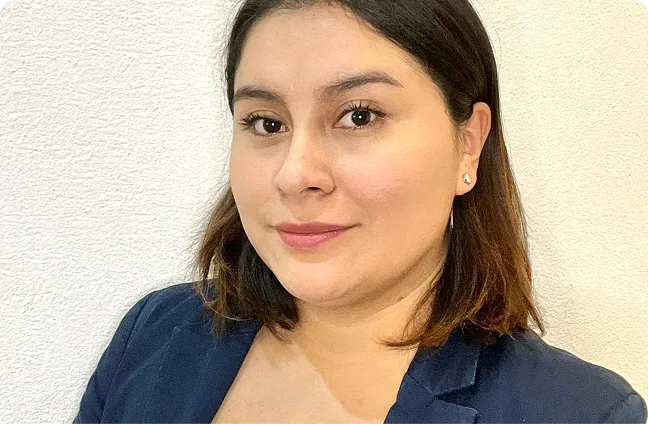
Aidé Carrillo is an optical pre-sales engineer at Nokia, based in Mexico City. During her college years, she participated in initiatives...

Ari Shaw
Ari Shaw is a communications specialist with nearly a decade of experience in journalism, public relations, and media strategy....
Bernisha Moreau
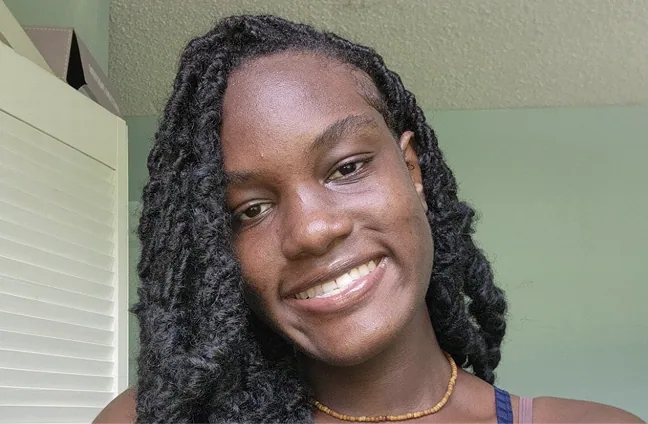
Bernisha Moreau is a student from the Commonwealth of Dominica, currently studying Computer Science and....
Discover the Latest News
Stay informed with our latest blog posts and news articles.